



Screen Printing on T-Shirts: An A-Z Guide for Brands
Discover what t-shirt screen printing is, its pros and cons, and the 6-step process to create high-quality shirts for Local Brands. Check out the ultimate care tips at YOKO Printing.
Screen printing (also known as silk-screen printing) is a "veteran" printing technique that has been around since the 1920s. Despite the rise of modern technologies, screen printing firmly holds its ground thanks to its ability to produce sharp, highly durable, and incredibly vibrant prints on t-shirts.
1. What is T-Shirt Screen Printing?
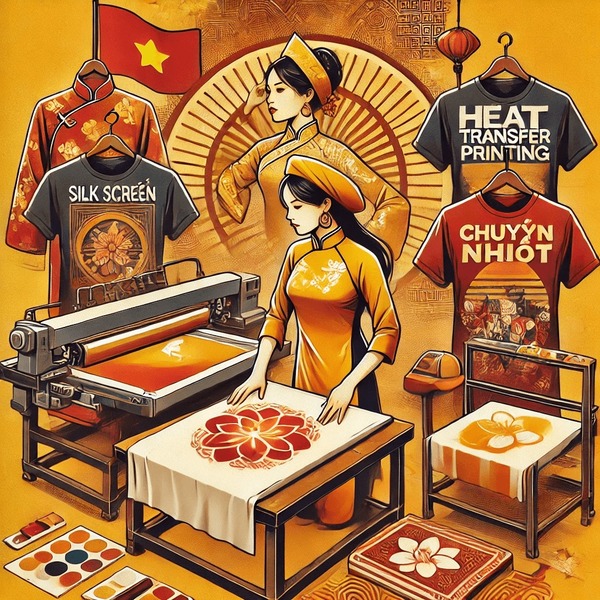
The essence of this technique is based on the principle of ink permeating through a mesh. The name "silk-screen printing" originates from the fact that early meshes were made of silk, but today, materials have been upgraded to metal or synthetic fibers to enhance durability. Currently, besides the manual method requiring artisan skills, automatic and semi-automatic printers have significantly optimized production capacity.
2. Pros & Cons You Need to Know
Valuable Strengths:
-
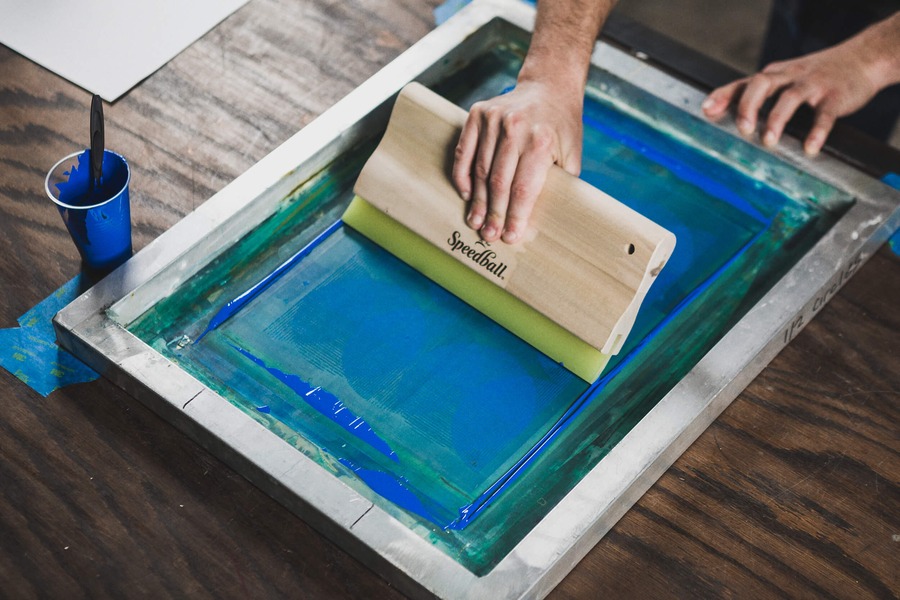
Cost-optimized: Extremely economical for large bulk orders as it doesn't require complex digital machinery.
-
Accurate Colors: Capable of printing multiple custom colors, resulting in bright and vivid final products.
Limitations to Consider:
-
Not for small single orders: Each color requires a separate screen setup, consuming time and cost for small quantities.
-
Requires strict design files: Vector files are mandatory; it does not support direct printing from photographs.
-
Difficult with gradients: This technique struggles with handling images featuring smooth gradient (color transition) effects.
3. Outstanding Screen Printing Techniques
-
Puff Print: Uses a special ink that expands when exposed to heat, creating a 3D raised, rounded effect that gives the print a unique, soft, and spongy feel.
-
Silicone Print: Applies a layer of silicone ink onto the garment. This ink gives the print a soft, smooth, and premium rubbery texture. Silicone ink is highly heat-resistant and stretchable.
-
Reflective Print: Utilizes specialized ink containing micro-lenses (tiny glass beads) capable of powerfully reflecting light.
-
Standard Screen Print: Uses standard inks like water-based or plastisol to create flat color blocks on the fabric surface. Unlike special effects, standard prints usually do not have a raised texture or special physical/chemical properties.
4. The 6-Step Process to Create a Finished Shirt
-
Step 1 - Preparation: Mix specialized PVA emulsion to coat the printing screen.
-
Step 2 - Screen Creation: Coat the emulsion onto the mesh and expose it under light with the film positive to create the design stencil.
-
Step 3 - Washing Out: Spray water to wash away the unexposed emulsion in the image areas, allowing ink to pass through.
-
Step 4 - Ink Mixing: Blend base colors to achieve the exact color code requested by the customer.
-
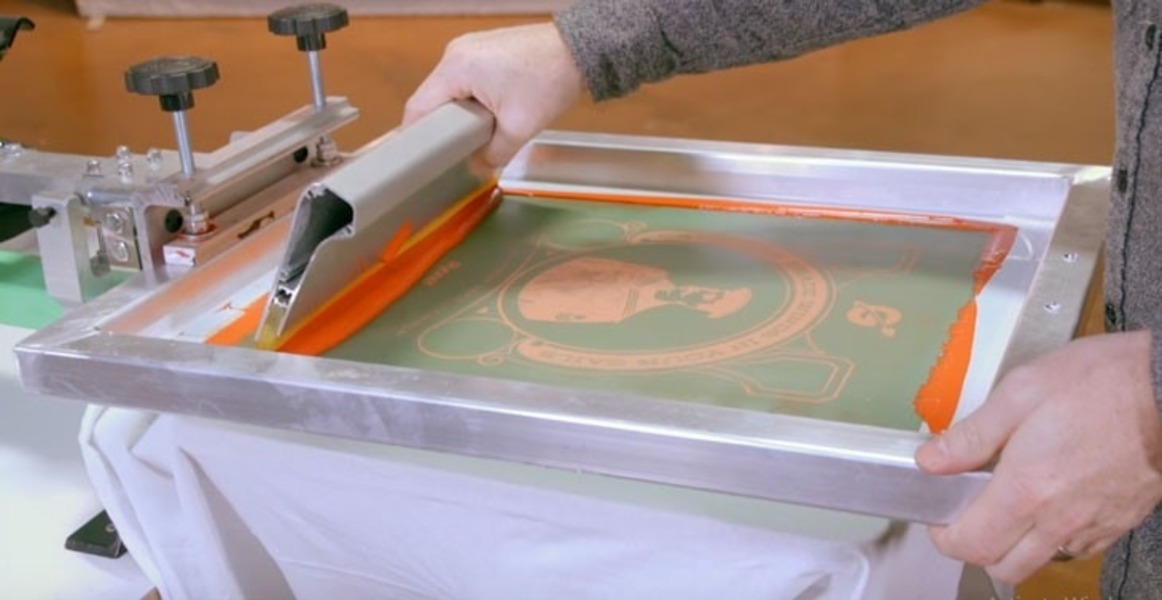
Step 5 - Printing: Secure the shirt in place and use a squeegee to push the ink evenly through the screen stencil.
-
Step 6 - Curing/Drying: The finished product needs to be dried (often ranging from 12-48 hours depending on ink type) so the ink adheres permanently to the fabric.
5. Secrets to "Sustainable" Print Care
To ensure your Local Brand shirts stay beautiful and durable, guide your customers with these care instructions:
-
Gentle washing: Wash in cold water, use minimal detergent, and avoid wringing the shirt too harshly.
-
Limit tumble drying: Avoid high heat and the strong tumbling force of dryers, which can affect print adhesion.
-
Use cool water: Strictly avoid washing with hot water to protect the ink's structure.
-
Iron inside out: Never let the iron make direct contact with the print; always turn the shirt inside out before ironing.
Related News
27/03/2026 220 Views
Discover the ultimate guide to custom t-shirt printing. Explore DTF, DTG, screen printing methods, and top fabric choices for your brand at YOKO Printing.
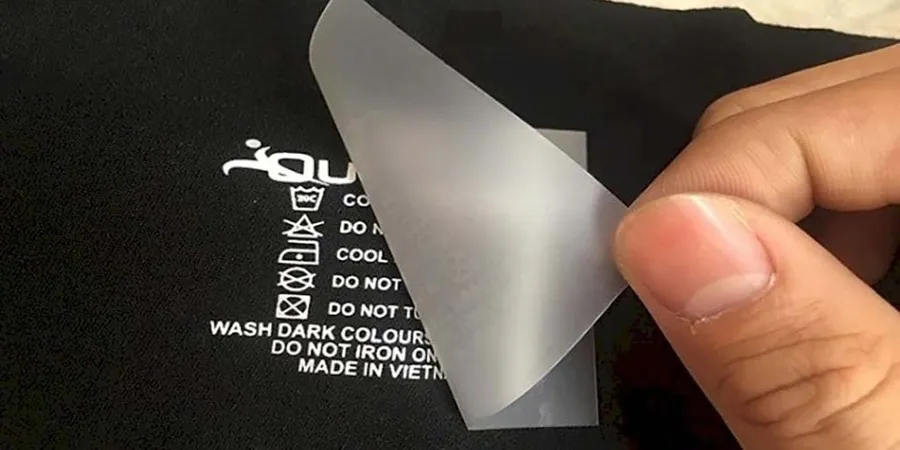
23/03/2026 212 Views
Is DTF printing durable? Discover expert tips to wash and care for your DTF shirts to prevent peeling. Keep your Local Brand apparel flawless with YOKO.
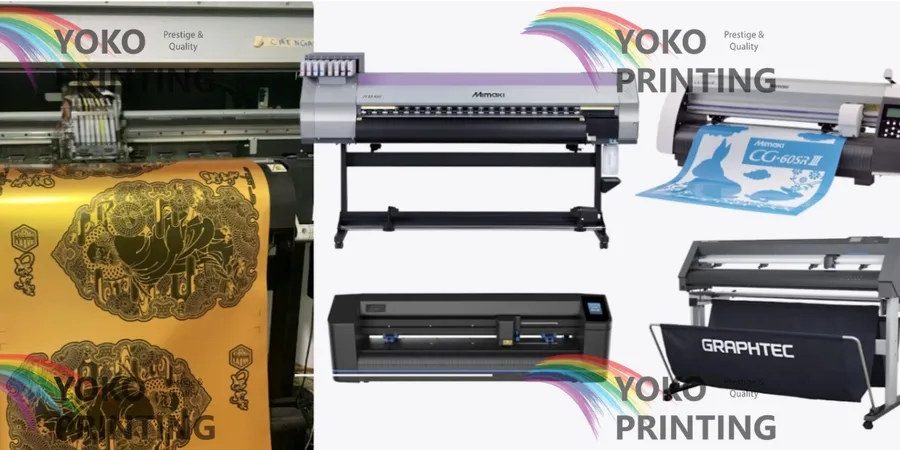
23/03/2026 200 Views
At YOKO, we invest in Japanese-standard Eco-Solvent printer and ink systems. Although the operating costs are higher, the results are vibrantly colored prints with exceptional color durability
More